
Transfemme

Contact Jules & The Team (Mobile Text Message & Whatsapp) 1-647-867-6180 (Canada)
Categories
Our Blog

Navigating Challenges as a Transfemme Individual

The term “transfeminine” encompasses a broad spectrum of identities and expressions. It describes individuals who were assigned male at birth but identify more closely with femininity than masculinity. This identity is a vital part of the broader transgender umbrella, which includes a diverse range of gender identities and expressions. Transfeminine people may or may not choose to medically transition, and their gender expression can vary widely.

Summary

This article defines transfeminine identities and emphasizes the diversity of gender expressions and transition paths, shaped by personal choice and cultural context. It examines the transfeminine flag’s evolution and symbolism, and outlines key challenges such as discrimination, media misrepresentation, safety in public spaces, healthcare barriers, mental health needs, and uneven legal recognition. The piece underscores the role of self-reflection, community support, and overcoming internalized transphobia. It provides concrete allyship actions—education, dialogue, challenging bias, policy advocacy, workplace inclusivity, creating safe spaces, and offering emotional support—to help transfemme individuals thrive.

Exploring Gender Identity and Expression

Transfeminine individuals navigate a complex landscape of gender identity and expression. Some may identify strictly as female, while others embrace non-binary or gender-fluid identities. This diversity underscores the importance of viewing gender as a spectrum rather than a binary concept. Transfeminine people may express their femininity through clothing, makeup, or behavior, and these expressions can be fluid and change over time.

The Role of Medical Transition

Medical transition is a deeply personal choice for transfeminine individuals. While some may pursue hormone therapy or gender-affirming surgeries, others may opt not to, either by choice or due to barriers such as cost or healthcare access. It’s crucial to respect each individual’s decisions regarding their transition journey, understanding that there is no single “right” way to be transfeminine.

The Intersection of Culture and Identity

Cultural backgrounds can significantly influence transfeminine identities. In some cultures, there are historical precedents for third-gender roles, offering a unique context for transfeminine individuals. These cultural narratives can impact how transfeminine people understand and express their identities, highlighting the need for culturally sensitive support and acknowledgment.

The Transfeminine Flag: A Symbol of Pride
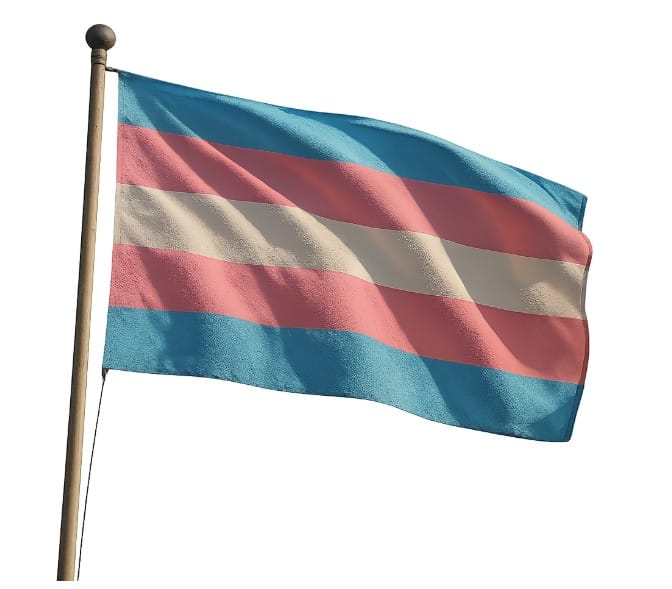
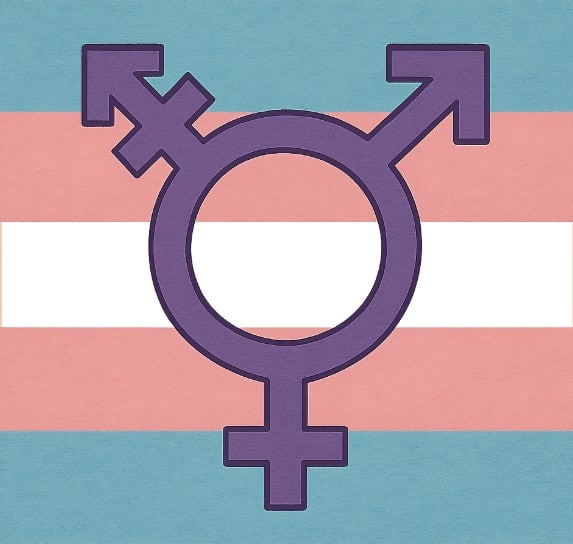
Flags play a crucial role in representing identities and fostering a sense of community. The transfeminine flag, much like other pride flags, serves as a powerful symbol of visibility and solidarity. It features soft hues of pink and blue, often combined with white, symbolizing a blend of traditional gender colors and the fluidity of gender identity.

The Evolution of the Transfeminine Flag

The transfeminine flag has evolved over time to represent the community’s growing diversity and strength. Initially, variations of the transgender flag were used, but the need for a distinct symbol led to the creation of the transfeminine flag. This evolution reflects the community’s resilience and the ongoing journey towards visibility and recognition.

Symbolism and Color Significance

Each color on the transfeminine flag carries its own significance. The pink often represents traditional femininity, while the blue acknowledges the masculine aspects that some transfeminine individuals may relate to. The white stripe is a nod to those who are non-binary or gender non-conforming, emphasizing the inclusivity and diversity within the transfeminine community.

The Flag as a Tool for Advocacy

Beyond its role as a symbol of pride, the transfeminine flag serves as a tool for advocacy. Displaying the flag at events, marches, and in public spaces raises awareness and fosters conversations about transfeminine identities. It is a visual reminder of the ongoing fight for recognition, rights, and equality. 

Challenges Faced by the Transfemme Community

The journey of a transfemme individual is often fraught with unique challenges, ranging from societal discrimination to personal struggles with identity and acceptance. Understanding these challenges is crucial in fostering a more inclusive and supportive society.

Societal Discrimination and Misunderstandings

Transfeminine individuals often face significant societal discrimination. Misunderstandings about what it means to be transfeminine can lead to prejudice and marginalization. Many transfemme people encounter difficulties in accessing healthcare, employment opportunities, and safe living environments due to systemic discrimination.

The Impact of Misrepresentation in Media

Media representation plays a significant role in shaping societal perceptions. Transfeminine individuals are frequently misrepresented or underrepresented in media, which contributes to misconceptions and stereotypes. Advocating for accurate and diverse representations can help dismantle harmful narratives and promote a more nuanced understanding of transfeminine identities.

Navigating Public Spaces

Public spaces can often be challenging for transfeminine individuals. Experiences of harassment or discrimination in places such as bathrooms, public transportation, or social venues highlight the need for increased awareness and inclusivity. Creating safer public environments requires both policy changes and shifts in societal attitudes.

Addressing Workplace Discrimination

Workplace discrimination remains a significant barrier for transfeminine individuals. Biases and lack of understanding can lead to unfair hiring practices, unequal opportunities, and hostile work environments. Advocating for inclusive workplace policies and providing diversity training can help create more equitable professional spaces. 

Personal Struggles and Identity Acceptance

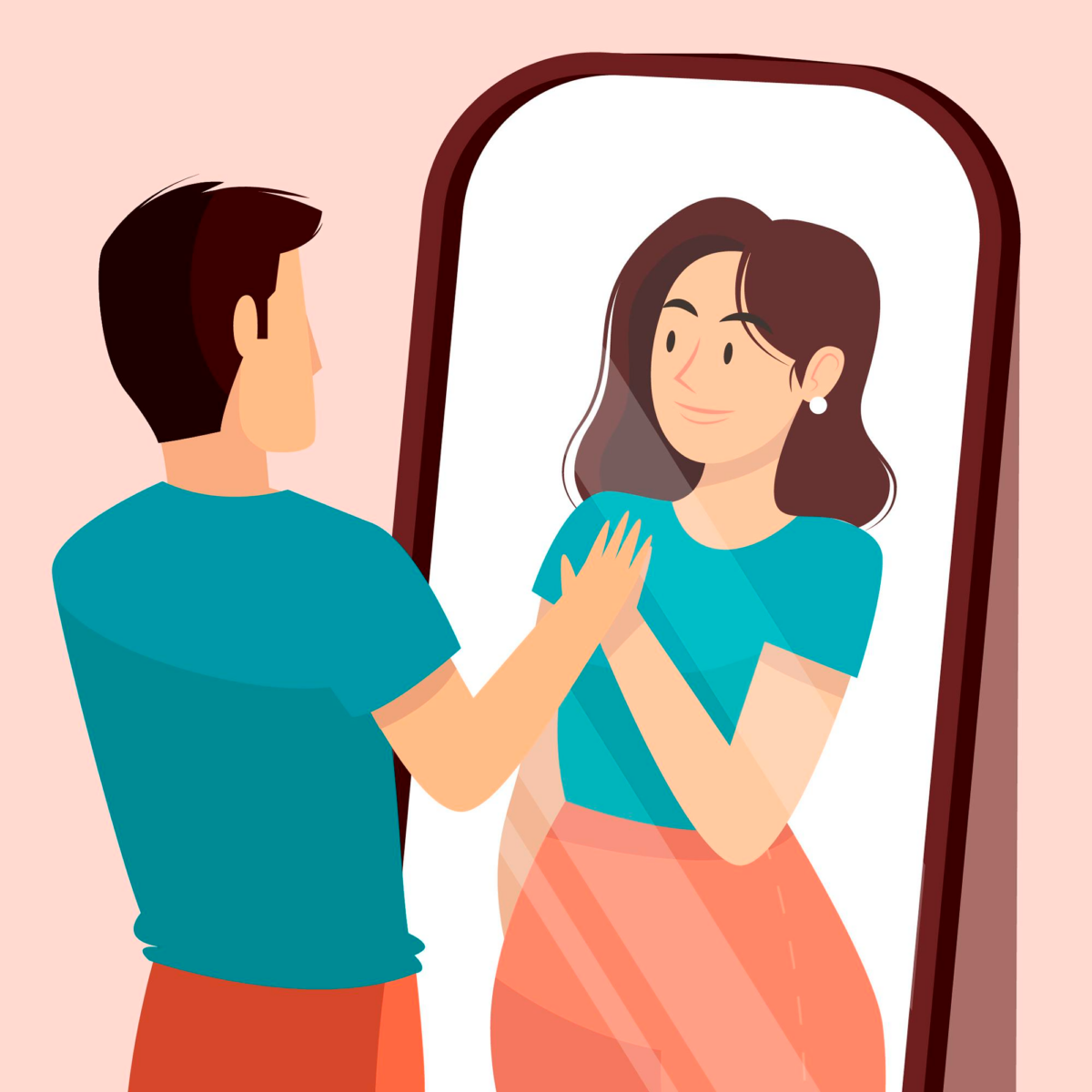
Personal struggles with identity and acceptance are common among transfeminine individuals. The journey to self-discovery can be complex, involving internal conflicts about gender expression and fears of societal rejection. Accepting oneself and finding a supportive community can be transformative steps in overcoming these challenges.

The Role of Self-Reflection

Self-reflection is a critical aspect of understanding and embracing one’s transfeminine identity. It involves exploring personal feelings and experiences to gain clarity on one’s gender identity. This process can be emotionally challenging but ultimately rewarding, leading to greater self-acceptance and empowerment.

The Importance of Community Support

Community support is invaluable for transfeminine individuals navigating personal struggles. Connecting with others who share similar experiences provides a sense of belonging and validation. Support groups, online communities, and local organizations can offer spaces for sharing stories, advice, and encouragement.

Overcoming Internalized Transphobia

Internalized transphobia can be a significant hurdle for transfeminine individuals. Societal messages that devalue or stigmatize transgender identities can lead to self-doubt and shame. Overcoming this requires unlearning harmful narratives and embracing one’s identity with pride and confidence.

Healthcare Barriers

Access to appropriate healthcare is a significant challenge for the transfemme community. Many healthcare providers lack the training and understanding necessary to provide competent care for transgender individuals. This can lead to inadequate medical support and a lack of access to gender-affirming treatments.

The Need for Trans-Inclusive Medical Training

Improving healthcare for transfeminine individuals starts with education. Medical professionals need comprehensive training on transgender health issues to provide competent and respectful care. Incorporating trans-inclusive curricula in medical schools and ongoing professional development can enhance healthcare experiences for the transfemme community.

Access to Gender-Affirming Treatments

Gender-affirming treatments are crucial for many transfeminine individuals seeking to align their physical appearance with their gender identity. Barriers such as cost, insurance coverage, and limited availability can hinder access to these treatments. Advocacy for policy changes and increased funding is essential to improve access to necessary healthcare services.

Addressing Mental Health Needs

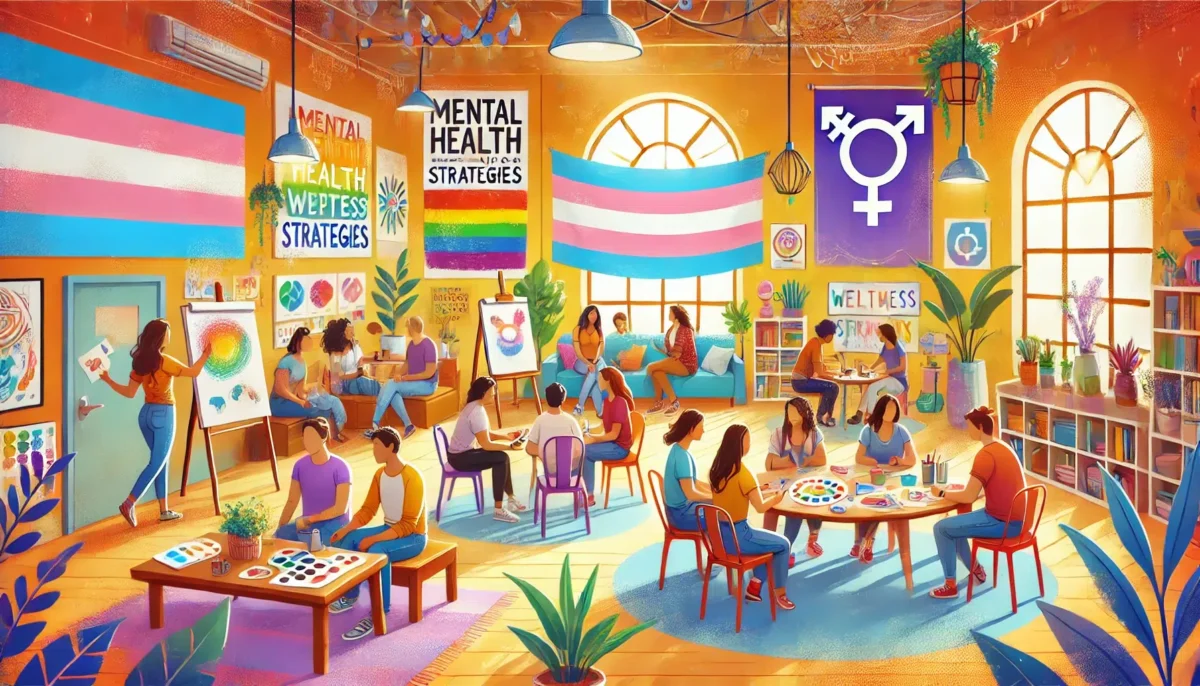
Mental health support is an integral component of healthcare for transfeminine individuals. Experiences of discrimination, identity struggles, and societal pressures can impact mental well-being. Providing access to trans-competent mental health professionals and resources is vital for supporting the overall health of the transfemme community.

Legal and Policy Issues

Legal recognition of transfeminine identities varies widely across different regions and countries. In many places, legal documents do not reflect the gender identity of transfemme individuals, leading to difficulties in accessing services and legal protections. Advocacy for more inclusive policies and legal recognition remains an important focus for the community.

The Importance of Legal Gender Recognition

Legal gender recognition is essential for the dignity and rights of transfeminine individuals. Accurate legal documents, such as IDs and passports, are crucial for accessing services and protections. Advocating for streamlined and accessible processes for legal gender changes can reduce barriers and improve the quality of life for transfemme individuals.

Fighting for Anti-Discrimination Laws

Anti-discrimination laws are vital for protecting the rights of transfeminine individuals in various aspects of life, including employment, housing, and healthcare. Advocacy efforts focus on enacting and enforcing comprehensive anti-discrimination legislation to ensure equal opportunities and protections for the community.

Navigating International Legal Landscapes

Transfeminine individuals face different legal challenges depending on their geographical location. While some countries have progressive laws and protections, others may lack recognition or have punitive policies. Understanding these international disparities is crucial for global advocacy and support efforts.

Supporting Transfemme Individuals

Creating a supportive environment for transfeminine people involves both individual actions and broader societal changes. Allies play a crucial role in advocating for and supporting the transfemme community.

Educating Yourself and Others

Education is a powerful tool in combating discrimination and fostering understanding. Learning about transfeminine identities, their challenges, and how to be a supportive ally can make a significant difference. Sharing this knowledge with others helps to spread awareness and promote acceptance.

Resources for Learning

A wealth of resources is available for those wishing to educate themselves about transfeminine identities. Books, documentaries, podcasts, and online courses provide valuable insights into the experiences and challenges faced by the transfemme community. Engaging with these resources is the first step in becoming an informed and effective ally.

Encouraging Open Dialogue

Open dialogue is crucial for breaking down barriers and fostering understanding. Creating spaces for conversations about gender identity and transfeminine experiences allows for greater empathy and awareness. Encouraging respectful discussions in schools, workplaces, and community settings can lead to more inclusive environments.

Challenging Stereotypes and Biases

Challenging stereotypes and biases requires active engagement and reflection. Allies can help by questioning assumptions, confronting discriminatory behavior, and promoting inclusive language. This proactive approach contributes to creating a culture of acceptance and respect for transfeminine individuals.

Advocating for Inclusive Policies

Advocacy for inclusive policies is essential in creating systemic change. Supporting organizations that work towards legal recognition and protection for transfeminine individuals can help to address some of the structural barriers they face.

Supporting Policy Change

Policy change is often driven by collective advocacy efforts. Allies can support policy change by engaging with advocacy organizations, participating in campaigns, and contacting legislators. These actions contribute to creating legal frameworks that protect and empower transfeminine individuals.

Promoting Workplace Inclusivity

Workplace inclusivity is a critical area for policy advocacy. Implementing policies that protect against discrimination and promote diversity can create safer and more equitable work environments. Allies can advocate for these changes within their own organizations and industries.

Engaging in Community Activism

Community activism is a powerful way to support the transfemme community. Participating in local events, supporting grassroots organizations, and raising awareness through social media are effective ways to contribute to the movement for equality and justice.

Creating Safe Spaces

Safe spaces are critical for the well-being of transfeminine individuals. Whether it’s in workplaces, schools, or social settings, creating environments where people can express themselves freely without fear of discrimination is vital.

Building Inclusive Schools

Schools play a crucial role in shaping young people’s understanding of gender and identity. Implementing inclusive curricula, supporting gender-neutral facilities, and training staff on gender sensitivity can create safer educational environments for transfeminine students.

Fostering Acceptance in Social Spaces

Social spaces, such as clubs, community centers, and recreational areas, should be welcoming for all individuals, regardless of gender identity. Establishing clear anti-discrimination policies and promoting awareness can help foster acceptance and inclusivity in these settings.

Cultivating Supportive Work Environments

Workplaces that prioritize inclusivity and support for transfeminine employees benefit from diverse perspectives and talents. Allies can advocate for policies and practices that ensure equal opportunities and create a culture of respect and acceptance.

Providing Emotional Support

Being a source of emotional support for transfeminine individuals can have a profound impact. Listening, offering empathy, and validating their experiences are simple yet powerful ways to show support.

Practicing Active Listening

Active listening involves giving full attention and understanding to the speaker, without judgment or interruption. Practicing active listening with transfeminine individuals shows respect for their experiences and provides a supportive space for them to share their stories.

Offering Empathy and Understanding

Empathy involves recognizing and validating the feelings and experiences of others. Offering empathy to transfeminine individuals can help alleviate feelings of isolation and provide a sense of connection and support. Allies can demonstrate empathy by acknowledging the challenges and celebrating the successes of transfemme individuals.

Encouraging Self-Care and Well-Being

Self-care is vital for the mental and emotional well-being of transfeminine individuals. Encouraging practices that promote self-care, such as mindfulness, exercise, and creative expression, can help build resilience and improve overall quality of life.

Conclusion

Navigating life as a transfemme individual involves embracing one’s identity while overcoming various societal and personal challenges. Through understanding, advocacy, and support, we can contribute to a more inclusive world where transfeminine people can thrive. Recognizing the significance of identities like transfeminine, and the symbols like the transfeminine flag, is a step towards greater acceptance and equality for all.

In fostering a community that values diversity and inclusion, we honor the experiences and identities of transfeminine individuals and work towards a future where everyone can live authentically and with dignity. By taking actionable steps to educate ourselves, advocate for change, and provide support, we can help create a society that celebrates and uplifts all individuals, regardless of their gender identity.

Q&A

Question: What does “transfeminine” mean, and how can identity and expression vary? Short answer: “Transfeminine” describes people assigned male at birth who identify more closely with femininity than masculinity. It sits under the broader transgender umbrella and includes diverse identities: some identify as women, others as non-binary or gender-fluid. Gender expression—through clothing, makeup, behavior, or other traits—can be fluid and change over time, underscoring that gender exists on a spectrum rather than a strict binary.

Question: Do transfeminine people need to medically transition to be valid? Short answer: No. Medical transition is a personal choice. Some transfeminine individuals pursue hormone therapy or gender-affirming surgeries; others do not—by preference or due to barriers like cost and access. There is no single “right” way to be transfeminine, and respecting each person’s decisions and timeline is essential.

Question: What does the transfeminine flag represent, and why does it matter? Short answer: The transfeminine flag uses soft pink and blue, often with white, to symbolize femininity, acknowledgment of masculine aspects some may relate to, and inclusion of non-binary or gender non-conforming people. It evolved from variations of the transgender flag to offer a distinct symbol for the community. Beyond pride and visibility, the flag is a tool for advocacy—sparking conversation, raising awareness, and reminding the public of ongoing struggles for rights and recognition.

Question: What are the key challenges transfemme individuals commonly face? Short answer: Challenges span social, institutional, and personal dimensions, including:

  • Discrimination and misunderstandings that affect healthcare, employment, and housing access
  • Misrepresentation or invisibility in media, which fuels stereotypes
  • Safety concerns in public spaces (e.g., bathrooms, transit, social venues)
  • Workplace bias and hostile environments
  • Healthcare barriers, such as limited provider competence and hurdles to gender-affirming care
  • Mental health needs intensified by stigma and rejection
  • Uneven legal recognition, complicating IDs, protections, and access to services

Question: How can allies effectively support transfemme people? Short answer: Allies can pair learning with action:

  • Educate yourself and share accurate information; encourage open, respectful dialogue
  • Challenge stereotypes, bias, and discriminatory behavior; use inclusive language
  • Advocate for inclusive policies and legal recognition; support anti-discrimination efforts
  • Promote workplace inclusivity through protective policies and training
  • Help create safe, welcoming spaces in schools, workplaces, and community settings
  • Offer empathetic, judgment-free emotional support; practice active listening
  • Encourage self-care and well-being, and connect people with supportive communities and resources

Categories
Our Blog

Tips & Top 20 MTF Crossdressing Tips

Dressing more feminine is a powerful form of expression for many crossdressers and transgender women. It’s not just about putting on clothes, it’s about embracing your identity, exploring your personal style, and discovering what makes you feel confident and beautiful. Whether you’re just starting your journey or are already experimenting with feminine fashion, these MTF Crossdressing Tips will help you upgrade your style, refine your presentation, and feel more aligned with your inner femininity.

Below, you’ll find the Top 20 MTF Crossdressing Tips to help you dress more feminine in a way that feels natural, elegant, and uniquely you.

Mindset & Preparation

1. Understand Your Starting Point

Before diving into outfits and accessories, take a moment to understand where you’re starting from. Each person has a unique body shape, comfort level, and style preference. Knowing your proportions and what you want to highlight will help you choose clothing that enhances your look. This is the foundation of any successful MTF makeover.

2. Embrace Your Feminine Spectrum

Femininity is a spectrum—it can be soft and gentle, bold and confident, or casual and relaxed. There is no single correct way to be feminine. The more you embrace your personal version of femininity, the more authentic and beautiful you’ll feel when dressing.

3. Prepare for Your MTF Makeover

An MTF makeover is more than lipstick and heels. It’s a transformation that encompasses appearance, energy, and mindset. Think of it as a lifestyle practice: grooming, posture, hair styling, and outfit choices all come together. Each improvement compounds over time.

4. Set Realistic Style Goals

As exciting as it is to dream big, developing your feminine wardrobe is a journey. Start small, experiment, and build gradually. You don’t need to overhaul your entire closet overnight. Consistency is more important than speed.

Wardrobe Basics for Feminine Dressing

5. Fit Matters—More Than Anything

Fit is the most important aspect of any feminine outfit. Well-fitted clothes create smooth lines, accentuate your silhouette, and help you feel put-together. Look for clothes that shape the waist, create curves, and soften your shoulders.

  • Tops that hit the waist
  • Dresses with defined waistlines
  • High-rise pants or skirts that elongate the legs
  • Tailored yet soft silhouettes

If you’re using MTF breast enhancement solutions (such as breast forms), choose tops that complement your new proportions.

6. Add Dresses & Skirts Into Your Wardrobe

Dresses and skirts are iconic feminine staples because they create movement and elegance. A-line dresses flatter most body shapes, wrap dresses soften the torso, and flowy skirts add graceful energy to your walk. Experiment with lengths and fabrics to find what feels best.

7. Explore Feminine Colors & Textures

Nothing shifts an outfit into feminine territory faster than color and texture. Think:

  • Soft pastels

  • Warm neutrals

  • Floral or lace details

  • Satin, chiffon, or velvet

Even simple jeans and a neutral top can look feminine with delicate textures or a soft color palette.

8. Pay Attention to Details

Femininity is often found in the details. Small touches like ruffles, bows, lace trims, or subtle prints can transform your outfit. Even minimalists can embrace feminine detailing through small but impactful choices.

Footwear, Accessories & Finishing Touches

9. Choose Feminine Footwear

Shoes set the tone for your entire look. You don’t need towering heels—just pick feminine shapes:

  • Pointed-toe flats

  • Soft-colored sneakers

  • Low block heels

  • Elegant sandals

Heels, even small ones, improve posture and create a feminine walk. Practice at home first to build confidence.

10. Accessorize With Intention

Accessories complete your outfit and help refine your feminine energy. Consider:

  • Earrings or layered necklaces

  • Handbags with soft shapes

  • Delicate bracelets

  • Hair clips or headbands

  • Light, fresh fragrances

These small additions elevate your presentation and solidify your feminine aesthetic.

11. Experiment With Necklines & Silhouettes

Necklines dramatically affect how feminine your outfit appears. For MTF crossdressers, this is especially helpful for balancing proportions.

Great options include:

  • V-necks to elongate the neck

  • Off-shoulder tops to soften shoulder width

  • Scoop necks for a gentle, feminine curve

  • Wrap necklines to enhance the chest area

Pairing these with breast forms or MTF breast enhancement solutions can help create a natural-looking feminine silhouette.

Enhancement & Special Considerations

12. MTF Breast Enhancement Options

Breast enhancement is a major boost to feminine presentation. Solutions include:

These help clothing fit better and add natural curves to your silhouette. Whether you prefer subtle or dramatic, breast enhancement is a key component of many MTF crossdressing experiences.

13. Body Shaping for Curves

Creating curves is easier than you think. Padding your hips, cinching the waist, and smoothing the torso helps create that classic feminine hourglass look.

Methods include:

  • Hip pads or shapers

  • Waist cinchers or corsets

  • Shapewear to smooth lines

  • Contouring makeup to sculpt collarbones and neckline

When combined with the right outfit, these techniques can dramatically improve your presentation.

14. Makeup, Hair & Grooming

Even though this article focuses on clothing, grooming ties everything together. A polished feminine appearance includes:

  • Light makeup to soften the face

  • Styled wigs or well-kept natural hair

  • Well-groomed brows

  • Moisturized, healthy skin

  • Feminine body language

A good MTF makeover blends wardrobe, grooming, and confidence.

15. Confidence Through Posture & Movement

Feminine clothing feels more natural when paired with feminine posture and movement. Practice:

  • Smooth, controlled steps

  • Relaxed shoulders

  • Light, graceful hand movements

  • A gentle but confident walk

Together, these amplify the feminine energy your wardrobe creates.

Practical Tips & Crossdresser Ideas

16. Build a Feminine Capsule Wardrobe

A capsule wardrobe simplifies dressing and helps you stay consistent with your feminine style. Include:

  • 2–3 flattering dresses

  • A couple of fitted tops

  • High-waist pants or skirts

  • Neutral and pastel layering pieces

  • One or two versatile pairs of shoes

This ensures you’ll always have feminine options ready.

17. Feminize What You Already Own

You don’t need to start from scratch. Here are easy crossdresser ideas:

  • Add a feminine cardigan to a basic outfit

  • Swap masculine sneakers for soft-toned flats

  • Replace bulky jackets with fitted ones

  • Add accessories to elevate simple outfits

Small changes have big impact.

18. Smart Shopping Strategies

When shopping for your feminine wardrobe, consider:

  • Stretch fabrics (especially for beginners)

  • Adjustable straps for tops

  • Return policies (important for breast forms or fitted clothes)

  • Budgeting for essential pieces first

Shopping online also offers privacy and easy browsing.

19. Budget-Friendly Tips

Feminine fashion doesn’t need to be expensive:

  • Start with essentials

  • Buy mix-and-match pieces

  • Look for sales on shapewear and breast forms

  • Thrift stores often have amazing finds

Build your wardrobe gradually and with intention.

20. Dress Depending on the Occasion

Situational dressing is key. What you wear to the mall should differ from what you wear on a date or special night out. Here are some ideas:

  • Casual: leggings + oversized sweater

  • Work-appropriate: tailored blouse + soft-fit trousers

  • Date night: wrap dress + heels

  • Elegant evening: long dress + statement jewelry

Adapt your wardrobe based on lifestyle and goals.

Conclusion

These MTF Crossdressing Tips are designed to help you dress more feminine with confidence, comfort, and authenticity. Whether you’re exploring crossdressing as a hobby, expressing your gender identity, or embracing your femininity more deeply, the right wardrobe and mindset make all the difference.

Start with one tip, practice often, and let your feminine side shine through. Your journey is personal, beautiful, and yours to define.

Key Takeaways

  • Dressing feminine is about confidence, fit, and embracing your unique expression.

  • Feminine outfits rely heavily on colors, textures, and thoughtful detailing.

  • MTF breast enhancement and body shaping can significantly improve your silhouette and clothing fit.

  • Practical wardrobe planning and smart shopping make the feminine journey easier, sustainable, and fun.

Categories
Our Blog

Finding More Joy in Feminine Expression

(Inspired by Feminizing Men: A Guide for Increased Joy in Crossdressing)

In 2019, authors Thomas Newgen and Barbara Deloto released Feminizing Men:

A Guide for Increased Joy in Crossdressing. It’s a slim but thoughtful guide aimed at helping male-to-female cross-dressers deepen their sense of joy—not by teaching how to look feminine, but by exploring how to feel more fulfilled while living authentically in feminine expression see it here on Libroworld.

What makes the book interesting isn’t step-by-step instruction, but its focus on the emotional side of feminization: permission, pleasure, and kindness toward the inner self. That message resonates far beyond crossdressing—it speaks to anyone on a transfemme journey of self-expression and identity.

Transfemme Empowerment: Where Self-Love Meets Expression

The heart of the book is about embracing femininity as a source of joy. That spirit overlaps beautifully with transfemme empowerment and the act of caring for one’s identity.

1. Feminization as Self-Love

For many, feminization isn’t a costume—it’s a way of affirming an inner truth. The book highlights the idea that joy doesn’t come from “passing” or achieving perfection, but from loving the self that comes forward when expressed as feminine.

2. Beyond Appearance—Toward Fulfillment

The authors emphasize the importance of enjoying the experience itself, not just the external look. That’s a reminder transfemme people know well: fulfillment comes from living in sync with who you are, not just checking boxes of presentation.

3. Shared Journeys with Partners

Feminizing Men also touches on how feminization can be embraced in relationships. For partners, this can be a gift of validation and intimacy—helping someone feel safe and celebrated when they bring their feminine side forward.

Reflections for Your Own Path

While everyone’s experience is unique, here are a few gentle prompts inspired by the book’s spirit:

  • What daily rituals help you feel connected to your feminine self?
  • How can you create moments of joy that go beyond appearance—through movement, voice, or routine?
  • Who supports your expression, and how can you nurture that circle of affirmation?

These questions aren’t about rules or checklists—they’re invitations to deepen your connection with your inner fem.

Conclusion: An Affirmation of Joy

Feminizing Men may be a brief guide, but its heart is in the right place: encouraging readers to find more joy, pleasure, and comfort in their feminine expression. Whether you see yourself as a crossdresser, transfemme, or somewhere beautifully in between, the reminder to nurture your inner femininity is a powerful one.

Books like this don’t claim to have all the answers, but they can spark ideas and affirm that your joy matters. At the end of the day, what counts is that you give yourself permission to embrace the fullness of who you are.

👉 You can explore the book here: Libroworld – Feminizing Men

Disclaimer: This blog is not affiliated with or endorsed by the authors, publishers, or Libroworld. It is an independent reflection inspired by the themes of the book.

Categories
Our Blog

Pueraria Mirifica for Breast Enlargement in Men: A Supportive Guide

A Supportive Guide: Pueraria Mirifica for Breast Enlargement in Men

For many men, the desire for a more feminine chest is deeply personal. Whether it comes from curiosity, identity exploration, or a long-standing dream of feminization, breast enlargement can be an empowering journey. While surgical options exist, many men seek natural methods to encourage breast growth before taking bigger steps. One of the most widely discussed natural solutions is Pueraria Mirifica, a plant native to Thailand that has been celebrated for centuries for its powerful phytoestrogen content.

In this guide, we’ll explore how Pueraria Mirifica can support breast enlargement in men, what to realistically expect, and how to safely and confidently navigate your journey.

Why Some Men Choose Breast Enlargement

Breast development in men is not simply about physical appearance — it often ties into emotional well-being, gender identity, and self-expression. Some men may desire subtle growth for a softer look, while others dream of fuller, more noticeable breasts that affirm their femininity.

Here are a few common reasons men explore breast enlargement:

  • Gender affirmation: Creating a body that aligns more closely with one’s inner identity.

  • Confidence: Feeling more comfortable in personal relationships or when dressing in feminine clothing.

  • Exploration: Trying a natural approach before considering medical or surgical options.

Whatever your reason, it’s important to remember: your journey is valid. And with the right support, you can take steps toward the body you’ve envisioned.

What is Pueraria Mirifica?

Pueraria Mirifica is a plant found primarily in northern Thailand and Myanmar. Traditionally used in herbal medicine, its reputation has grown globally because of its phytoestrogens — plant-derived compounds that mimic estrogen in the body.

Estrogen is the hormone largely responsible for breast development during puberty in women. When men introduce phytoestrogens like those found in Pueraria Mirifica, their bodies may begin to experience subtle feminizing effects, including potential breast tissue growth.

The plant’s active compounds include:

  • Miroestrol & Deoxymiroestrol – The most potent phytoestrogens, believed to strongly mimic estrogen.

  • Isoflavones – Plant-based compounds that influence hormone balance and provide additional estrogen-like effects.

Because of this, Pueraria Mirifica has become one of the most popular natural supplements for men seeking feminization and breast enlargement.

Pueraria Mirifica for Breast enlargement in Men

How Pueraria Mirifica Supports Breast Enlargement in Men

Breast enlargement from Pueraria Mirifica happens because of its estrogenic properties. When consistently taken, these phytoestrogens can influence the body in ways similar to estrogen therapy:

  1. Activation of Breast Tissue

    • Male bodies have dormant breast tissue that can respond to estrogen-like compounds.

    • Over time, Pueraria Mirifica may encourage this tissue to grow, leading to budding and gradual development.

  2. Fat Redistribution

    • Some men notice a shift in how their body stores fat, particularly in the chest area, which can give a rounder, fuller look.

  3. Skin & Nipple Changes

    • Nipples may become more sensitive and prominent, mimicking changes seen in female puberty.

    • Skin often becomes softer, adding to the feminine appearance.

It’s important to recognize that results vary. Genetics, age, metabolism, and consistency all play a role. Some men see noticeable changes within months, while others require longer periods of consistent use.

Additional Benefits Beyond Breast Enlargement

While breast growth is often the primary goal, many men report additional positive effects from taking Pueraria Mirifica:

  • Softer, smoother skin – Estrogen-like activity often improves skin texture and hydration.

  • Emotional balance – Some users report a calmer, more centered mood.

  • Feminization – Subtle changes in body shape, such as reduced muscle hardness or a rounder figure.

  • Confidence boost – Feeling progress toward a feminine appearance can provide emotional satisfaction and self-acceptance.

What to Expect: A Realistic Timeline

Breast enlargement is a gradual process. Men beginning with Pueraria Mirifica should have realistic expectations:

  • 1–3 months – Subtle changes in nipple sensitivity, softer skin, and early breast budding for some.

  • 3–6 months – Noticeable fullness in the chest, with fat redistribution becoming more visible.

  • 6–12 months – Continued breast development, with some men experiencing growth up to an A or B cup.

  • 1+ year – Growth tends to slow, but gradual improvement is possible with consistent use.

Not everyone will experience the same results. Some men may see more development than others. The key is consistency, patience, and a supportive mindset.

Supporting Your Journey

While supplements like Pueraria Mirifica play a central role, other lifestyle factors can help maximize your results:

  • Consistency – Take Pueraria Mirifica as directed, without skipping doses.

  • Healthy Diet – Prioritize nutrient-rich foods that support hormone balance, such as whole grains, soy, and flaxseed.

  • Massage – Gentle breast massage may help stimulate circulation and tissue growth.

  • Emotional Support – Engaging with supportive communities can make the journey less isolating.

Safety and Considerations

As with any supplement, safety comes first. While Pueraria Mirifica is generally considered safe when used properly, here are a few things to keep in mind:

  • Start with a low dose – Allow your body to adjust gradually.

  • Monitor side effects – Some men may experience mild digestive discomfort or changes in libido.

  • Avoid overdosing – More is not always better; excess phytoestrogens can disrupt natural balance.

  • Consult a healthcare professional – Especially if you have pre-existing conditions, take medications, or plan to combine Pueraria Mirifica with hormone replacement therapy (HRT).

The Emotional Side of Breast Enlargement

For many men, breast growth is about much more than appearance. It can bring comfort, affirmation, and joy. However, the process can also stir up emotions — from excitement to impatience. It’s normal to feel both.

Connecting with others who are on the same path can provide encouragement and reassurance. You don’t have to walk this road alone.

Finding the Right Support

Choosing the right product is essential. Not all supplements are created equal, and quality matters when it comes to results. At Transfemme, we specialize in safe, effective products designed specifically to support feminization and breast enlargement in men.

If you’re ready to learn more, visit our dedicated page here: Pueraria Mirifica for Men.

Final Thoughts

Pueraria Mirifica offers men a natural and supportive path toward breast enlargement and feminization. While the journey requires patience and consistency, many men find both physical and emotional satisfaction along the way.

Whether you’re exploring your femininity for the first time or deepening your journey of self-expression, remember that your path is unique — and you deserve to feel confident and supported every step of the way.

With the right approach, Pueraria Mirifica can be more than a supplement. It can be a tool for self-discovery, confidence, and transformation.

Categories
Our Blog

MTF Breast Development: What to Expect And How It Works

Understanding Male to Female (MTF) Breast Development: A Guide for Transgender Women

For many trans women, breast development is a meaningful and emotional part of the transition care they seek. Whether you’re at the beginning with Transfemme MTF program or simply seeking non-surgical augmentation, knowing about MTF breast development can provide general knowledge and establish realistic goals for you to feel powerful during your journey.

This blog will cover how breast development works, when it happens, and how you can promote healthy growth.

What Triggers MTF Breast Development?

Breast development starts when a transgender woman, cross-dresser, or any individual goes on feminization, which usually includes:

  • Estrogen: The leading hormone responsible for breast tissue expansion.
  • Anti-androgens: These drugs lower levels of testosterone to enable estrogen to work better.
    Your body also starts to transition once you begin your feminization journey, much like cis women entering puberty.

How Much Can You Expect to Gain?

Breast size differs significantly from one person to another and is influenced by the following factors:

  • Genetics (family breast size)
  • Age when starting your feminization
  • Hormone dosage and consistency
  • Nutritional, stress and smoking lifestyles

Of course, remember: Breast growth may take a year or more for full development, similar to female puberty.

What About Non-Hormonal Options?

If you’re not currently taking hormones, are looking to add to them, or you’re interested in using some natural breast enhancement or breast enlargement creams or supplements, some opt to increase their breast size naturally. These may include but not limited to:

Surgery vs. Natural Development

If you’re unhappy with the natural growth of your breasts, consider breast augmentation surgery. However, many surgeons recommend one year, up to two years after starting your feminization journey, as breast tissue might still develop.

Final Thoughts: Embrace the Journey

MTF breast growth is a personal thing and can be an empowering aspect of your transition. Whether you have slow or rapid breast development, remember:

  • Growth takes time and patience.
  • Everyone’s body responds differently.
  • Take good care of your health and well-being.

Enjoy each step, and don’t hesitate to ask your doctor for help if you’re feeling unsure.

Want to Learn More?
Categories
Our Blog

Difference Between Transfemme and Trans Woman

Difference Between Transfemme and Trans Woman: What to Know

When talking about gender identity and expression, terms matter. Two terms you might hear—transfemme and trans woman—are sometimes used like they mean the same thing. But they don’t always. Understanding the difference between transfemme and trans woman can help you better respect, support, and communicate with people in the LGBTQ+ community.

Let’s break down what each term means and why the distinction is important.

What Does "Trans Woman" Mean?

trans woman is someone who was assigned male at birth (AMAB) but identifies as a woman. This is a clear, binary gender identity. A trans woman may or may not pursue medical transition, but her identity is female.

This term is widely recognized and used by those who want to be seen and respected simply as women—no qualifiers, no ambiguity.

What Does "Transfemme" Mean?

Transfemme (short for transfeminine) is broader. It usually refers to AMAB people who identify with or express femininity, regardless of whether they identify as women. A transfemme is a person transitioning towards femininity

Someone who identifies as transfemme might be:

  • A trans woman

  • A nonbinary person who presents femininely

  • A genderfluid person leaning feminine

  • Someone exploring femininity without identifying as a woman

In other words, transfemme is more about gender expression and connection to femininity than a fixed identity.

Key Difference Between Transfemme and Trans Woman

Here’s the bottom line:

  • Trans woman: A woman who is transgender. It’s a clear identity.

  • Transfemme: A broader term for anyone AMAB who aligns with femininity, not necessarily identifying as a woman.

All trans women are transfemme, but not all transfemme people are trans women.

Why the Difference Between Transfemme and Trans Woman Matters

Respecting how people identify is foundational. Misusing these terms can lead to misgendering or erasing someone’s experience.

For example:

  • A nonbinary person who identifies as transfemme may feel invalidated if someone calls them a trans woman.

  • A trans woman might feel erased if someone reduces her identity to just being transfeminine.

In community spaces, this distinction can shape support groups, activism, and representation. A trans women’s group might focus on issues like womanhood and feminism. A transfemme space might be more inclusive of nonbinary and gender-nonconforming people dealing with similar challenges due to feminine expression.

Social Perception and Visibility

Both transfemme and trans women often experience discrimination, especially transmisogyny—prejudice against those perceived as feminine and transgender. However, visibility varies.

Trans women, particularly Black and brown trans women, are often more visible targets in media and politics. Transfemme individuals who don’t identify as women may not be as visible but face similar stigma and violence because of how they’re perceived.

Understanding the difference helps in recognizing and addressing those unique, yet overlapping, experiences.

Always Ask, Always Respect

If you’re unsure how someone identifies, ask respectfully or follow their lead. Some people use both terms. Others might use one but not the other. The best approach is to honor the labels people use for themselves.

Final Thoughts

The difference between transfemme and trans woman may seem subtle, but it’s meaningful.

  • “Trans woman” is a specific identity: a woman who is transgender.

  • “Transfemme” is broader: it includes anyone AMAB who aligns with femininity, regardless of identity.

Both terms are valid. Both deserve to be recognized and respected. Understanding this helps create safer, more inclusive spaces for everyone across the gender spectrum.

At the same time, we know that many transfemme people—whether identifying as women, nonbinary, or genderfluid—seek support in exploring or embracing their femininity.

That’s why we offer:

  • 🌸 Feminization support for transfemme individuals at any stage of their journey

  • 💊 Safe, discreet MTF transition products, including hormone support supplements and skincare

  • 💬 Community-centered guidance rooted in affirmation and care

  • 🎀 Resources for body confidence, style, and expression tailored to transfeminine needs

Whether you’re just starting to explore your gender or you’re actively transitioning, we’re here to support your femininity—your way.

Categories
Our Blog

Embracing Your True Self: The Journey of Gender Affirmation

Gender affirmation is a deeply personal and transformative journey. For many individuals, it represents aligning their physical appearance, behavior, and identity with their authentic sense of self. This journey, while empowering, can also be fraught with challenges, including societal expectations, internal struggles, and limited access to supportive resources. At Transfemme, we are honored to be part of this journey by offering products that empower individuals to take steps toward their gender-affirming goals while fostering confidence and self-love.

The Meaning of Gender Affirmation

Gender affirmation can take many forms, depending on each individual’s unique path. For some, it may involve changing how they dress or adopting a new name and pronouns. For others, it might mean pursuing physical changes through surgery, hormone therapy, or non-invasive solutions like feminizing creams and supplements. Regardless of the approach, every step is a courageous act of self-expression and self-love.


Affirmation isn’t just about physical changes. It’s also about mental and emotional well-being. Feeling validated and supported in one’s gender identity is essential for building confidence, reducing stress, and enhancing overall quality of life. At Transfemme, we recognize that this holistic approach is crucial, which is why our mission goes beyond offering products to fostering a community of acceptance and encouragement.

Transfemme: Your Partner in Transformation

For over two decades, Transfemme has been a trusted ally for individuals seeking non-invasive gender-affirming solutions. Our range of products is specifically designed to help individuals enhance their feminine features naturally and safely. Whether it’s achieving softer curves, enhancing breast development, or simply feeling more aligned with your identity, our products offer an accessible and effective solution.


Our flagship products include feminizing pills and creams that work in harmony with your body. Backed by science and crafted with high-quality ingredients, these products provide a non-surgical, hormone-free alternative for those seeking physical changes. With consistent use, customers report feeling more confident and comfortable in their skin.

Building a Supportive Community

The journey of gender affirmation can often feel isolating, but it doesn’t have to be. At Transfemme, we believe in the power of community. By connecting with others who share similar experiences, individuals can find encouragement, share tips, and celebrate milestones together. Our online forums, social media platforms, and customer support channels are dedicated to fostering this sense of belonging.


Additionally, we work to provide educational resources that empower our customers to make informed decisions about their journey. From blog articles and testimonials to product guides and FAQs, we aim to be a reliable source of information and inspiration.

Overcoming Challenges Together

The path to gender affirmation isn’t always smooth. Societal stigma, self-doubt, and logistical hurdles can make it difficult to take the first step. That’s why it’s important to celebrate every small victory along the way. Whether it’s trying your first Transfemme product or sharing your story with the community, these moments matter.


Transfemme is committed to making this journey as seamless as possible. From our discreet packaging to our customer care team’s sensitivity and expertise, we’re here to support you every step of the way.

Conclusion

Your journey is valid, your story is powerful, and your true self deserves to shine. Gender affirmation is about more than physical transformation; it’s about embracing who you are and celebrating your authenticity. At Transfemme, we’re here to walk alongside you, providing the tools, support, and encouragement you need to feel confident and empowered.

Categories
Our Blog

Transfeminine Exercise Routine: A Comprehensive Guide for Beginners

Embarking on a fitness journey can be both exciting and challenging, especially for transfeminine individuals. Exercise is a powerful tool not just for physical health, but also for mental wellness and self-empowerment. Whether you’re new to working out or modifying your routine to better align with your identity, this guide is here to help you navigate the unique aspects of fitness as a transfeminine person.

In this comprehensive guide, we’ll explore how to create a well-rounded exercise routine that supports your goals and well-being. We’ll dive into strength training, flexibility, mental wellness, and ways to address dysphoria through movement. With the right approach, exercise can become a positive and affirming part of your daily life. Let’s get started on building a routine that celebrates and strengthens your body, mind, and spirit.

1. Understanding Your Body and Goals

Before diving into specific exercises, it’s important to understand your body and set realistic fitness goals. As a transfeminine individual, your fitness journey may be influenced by factors such as hormone replacement therapy (HRT), changes in muscle mass, and fat distribution. Understanding these factors will help you set goals that are both achievable and aligned with your transition.

Setting Realistic Goals

Setting goals is a vital first step in any fitness routine. Your goals might include increasing strength, improving flexibility, or simply feeling more comfortable in your body. Start by asking yourself:

  • What do I want to achieve with my exercise routine?
  • How does this align with my gender expression and identity?
  • What are my long-term and short-term goals?
  • For example, if you’re on HRT, you may notice changes in muscle mass and fat distribution over time. This might affect how you approach strength training or cardio. Setting goals that take these changes into account will help you stay motivated and avoid frustration.

Embracing Your Body’s Changes

  • It’s important to embrace the changes your body goes through during your transition. HRT can result in a softer muscle tone, increased body fat in areas like the hips and thighs, and potential shifts in endurance or energy levels. These changes are natural and part of your journey.
  • Rather than focusing on what might be perceived as limitations, view these changes as an opportunity to reframe your fitness goals. Celebrate the ways your body is evolving and focus on exercises that make you feel strong, confident, and aligned with your true self.

2. Getting Started with Strength Training

  • Strength training is an excellent way to build muscle, improve posture, and enhance overall fitness. For transfeminine individuals, it can also play a crucial role in shaping your body in a way that affirms your gender identity.

Why Strength Training?

Strength training has numerous benefits, especially for those on HRT. It helps maintain muscle mass, which can naturally decrease with estrogen therapy.

Additionally, strength training improves bone density, which is essential since estrogen can increase the risk of bone loss. Beyond the physical benefits, strength training can also boost your confidence and mental resilience.

Beginner-Friendly Exercises

Starting strength training can feel intimidating, but you don’t need to lift heavy weights to see results. Bodyweight exercises and resistance bands are great tools for beginners. Here are a few exercises to get you started:

  • Push-Ups: Great for building upper body strength, especially in the chest, shoulders, and arms
  • Squats: Focus on strengthening the legs and glutes, which are often areas of interest for transfeminine individuals.
  • Lunges: Target the thighs and hips, helping to shape and tone your lower body.
  • Planks: Strengthen your core, which supports overall body stability and posture.

Tips for Success:

  • Focus on proper form over the number of repetitions to avoid injury.
  • Start with 2-3 sets of each exercise, with 8-12 repetitions per set.
  • Use resistance bands or light weights to gradually increase the difficulty as you get stronger.

    Creating a Routine

    A well-rounded strength training routine should target all major muscle groups, ensuring balanced development. Here’s a sample weekly routine:

    • Day 1: Upper Body (Push-Ups, Plank, Bicep Curls with Resistance Bands)
    • Day 2: Lower Body (Squats, Lunges, Calf Raises)
    • Day 3: Rest or Light Cardio (e.g., walking, cycling)
    • Day 4: Full Body (Combination of upper and lower body exercises)
    • Day 5: Flexibility (focus on stretching and mobility)
    • Day 6: Active Recovery (yoga, light stretching)
    • Day 7: Rest

    Balance is key, so ensure you’re working out different muscle groups and giving your body time to recover.

    Categories
    Our Blog

    Mental Health Strategies for Transgender Individuals

    Building Supportive Relationships: Tips for Friends and Family of Transgender Individuals

    Tips for Friends and Family of Transgender Individuals

    Supporting a loved one through their transgender journey is crucial for their mental and emotional well-being. Friends, family members, and partners play a significant role in creating a supportive environment that fosters acceptance and understanding. This article aims to educate and guide you on how to provide meaningful support to transgender individuals.

    Understanding Gender Identity and the Transition Process of Transgender Individuals

    Gender identity is an individual’s deeply held sense of being male, female, or something else. It may not necessarily align with the sex assigned at birth.

    Understanding this is the first step in supporting your transgender loved one.

    The transition process varies for each person and can include social, medical, and legal changes. Social transition may involve changing names, pronouns, and appearance. Medical transition can include hormone therapy and surgeries, while legal transition involves updating documents to reflect their gender identity. Each aspect of this process is deeply personal and can be emotionally challenging.

    Human Rights Campaign (HRC): Understanding the Transgender Community: HRC – Understanding the Transgender Community

    Effective Communication and Showing Empathy

    Effective communication is key to providing support. Here are some tips:

    Active Listening: Pay attention to what your loved one is saying without interrupting or making judgments. This shows that you value their feelings and experiences.

    Using Correct Pronouns and Names: Always use the names and pronouns that your loved one has chosen. This validates their identity and shows respect.

    Patience and Respect: Understand that this journey is ongoing. Be patient as they navigate their transition and avoid pressuring them to conform to your expectations.

    Showing Empathy: Try to understand things from their perspective. Empathy goes a long way in building trust and support.

    Common Misconceptions and How to Address Them

    Misconception 1: “It’s just a phase.”

    Reality: Gender identity is deeply rooted and not a temporary phase. Respect and support your loved one’s journey regardless of your initial beliefs.

    Misconception 2: “Transgender people are confused.”

    Reality: Transgender individuals have a clear sense of their gender identity. It’s important to listen and validate their experiences rather than dismissing them as confusion.

    Misconception 3: “Transitioning is easy and quick.”

    Reality: The transition process can be long and challenging, involving significant emotional, physical, and financial hurdles. Patience and support are essential.

    Address these misconceptions with empathy and understanding, providing factual information and expressing your willingness to learn.

    Resources for Education and Support

    Educating yourself is vital in being a supportive ally. Here are some resources:

    Books:
    • “Trans Bodies, Trans Selves” by Laura Erickson-Schroth
    • “The Gendered Self” by Jaclyn Friedman

    Articles and Documentaries:

    • Explore reputable websites like GLAAD, Transgender Equality, and The Trevor Project.
    • Documentaries such as “Disclosure” and “Paris Is Burning.”
    Support Groups and Online Communities:
    • PFLAG
    • Trans Lifeline
    • Local LGBTQ+ centers and online forums.

    Counseling and Mental Health Resources:

    • Seek out therapists who specialize in transgender issues.
    • Encourage participation in support groups for both transgender individuals and their loved ones.

    Stories of Supportive Relationships and Their Impact

    Personal stories can provide inspiration and insight into the power of support. Here are a few examples:

    • Alex’s Story: Alex, a transgender man, shares how his sister’s unwavering support during his transition made him feel accepted and loved. Her efforts to educate herself and advocate for him at family gatherings strengthened their bond.

    • Jamie and Sam: Jamie, a transgender woman, and her partner Sam discuss how open communication and mutual respect helped them navigate Jamie’s transition, resulting in a stronger and more understanding relationship.

    These stories highlight the positive impact of support on mental health and well-being, illustrating how meaningful relationships can make a significant difference.

    Conclusion

    Providing support to a transgender loved one is a journey of continuous learning and empathy. By understanding gender identity and the transition process, communicating effectively, addressing misconceptions, and utilizing available resources, you can create a supportive environment. Remember, your support can profoundly impact your loved one’s life, helping them feel validated and accepted.

    Continue to educate yourself and stand by your loved one, reinforcing the importance of being an ally in their journey.

    Categories
    Our Blog

    The Benefits and Risks of Estrogen Hormone Therapy for Men

    Estrogen hormone therapy for men can have several benefits, including its impact on bone density. In addition to its impact on bone density, estrogen hormone therapy for men can also lead to breast enlargement. This is because of the development of breast tissue, which can result in a more feminine chest appearance.

    Various types of estrogen hormone treatment for men.

     – Men commonly use estrogen pills for hormone therapy when transitioning. It feminizes the body by promoting the growth of secondary female sexual characteristics.

     – Estrogen patches are a choice for hormone therapy. They apply them to the skin and gradually release estrogen into the blood. This method can be convenient for those who prefer not to take daily pills.

    – Doctors use estrogen injections for hormone therapy, regularly injecting synthetic estrogen into the body. Some individuals who do not want to take daily pills or use patches may prefer this method.

    Before initiating estrogen hormone therapy, it’s essential to seek medical advice. This will aid in identifying the most appropriate treatment based on your unique requirements and overall health condition.

    Few of our valued and repeat customers love to share their journey and transition (Or I’ll make this like insert ad something.. Kristin Monday?)

    Would taking estrogen turn a man into a woman?

    The short answer is NO, taking estrogen alone would not turn a man into a woman. Gender transition is a complex process that goes beyond hormonal changes and typically involves a combination of hormone therapy, surgery, and social and psychological changes.

    While estrogen is a primary female sex hormone, it is not enough to change a person’s biological sex. Additionally, not all transgender individuals choose to undergo hormone therapy as part of their transition.

    Reference:
    – Mayo Clinic. (2021). Transgender health: Hormone therapy. https://www.mayoclinic.org/healthy-lifestyle/adult-health/in-depth/transgender-health/art-20266888 

    What happens if a trans man stops using male hormones?

    If a trans man stops using male hormones, the effects will depend on how long he has been taking them and his body chemistry. Some potential effects of stopping male hormones may include:

    Reversal of physical changes: Without the presence of male hormones, the physical changes that occurred as a result of hormone therapy (such as facial hair growth, deepening of the voice, and increased muscle mass) may begin to reverse. This process may take some time and can vary from person to person.

    Emotional and mental health changes: Hormone therapy can also have an impact on a person’s emotional and mental well-being. Stopping male hormones may lead to changes in mood, energy levels, and overall mental health.

    Menstruation: If a trans man has not had surgical intervention, stopping male hormones may lead to the resumption of menstruation.

    A trans man needs to consult with our specialist, Jules, or a healthcare provider before making any decisions about stopping hormone therapy. A healthcare provider can help monitor the effects of stopping male hormones and guide any potential health concerns. Additionally, they can discuss alternative options for managing gender dysphoria and maintaining overall well-being.

    Does estrogen have any effect on muscle mass in males?

    Estrogen is a hormone that is typically associated with females, but it is also present in males in smaller amounts. While testosterone is the primary hormone responsible for muscle mass in males, estrogen does have some effect on muscle mass.

    Research has shown that estrogen can have a modest effect on muscle mass in males. It can help to regulate muscle growth and repair, as well as contribute to overall muscle strength. Estrogen also plays a role in the distribution of body fat, which can indirectly impact muscle mass.

    However, it is important to note that the effects of estrogen on muscle mass in males are not as significant as those of testosterone. Testosterone is the primary hormone responsible for promoting muscle growth and strength in males.

    Overall, while estrogen does have some effect on muscle mass in males, it is not as pronounced as the effects of testosterone. It is just one of many factors that contribute to muscle mass and strength in males.

    What are the potential risks involved in using Estrogen hormone products?

    • Increased risk of blood clots
    • Stroke/Heart Attack
    • Breast Cancer
    • Endometrial Cancer in
    • Women (who have not undergone hysterectomy)
    • Nausea, bloating, breast tenderness

    Regular medical examinations and vigilant monitoring can mitigate risks and ensure the safety of men undergoing estrogen hormone therapy. Keep in touch with your health provider or specialist to assess your progress and any side effects, advice on how to use estrogen hormone therapy safely and effectively, including dosage suggestions and monitoring for potential complications

    Hormone therapy with estrogen can be a potent solution for controlling menopause symptoms and warding off osteoporosis. Nonetheless, it’s crucial to utilize this treatment cautiously and efficiently to reduce possible hazards and complications.

    Adhere to dosage guidelines and keep an eye out for complications when undergoing estrogen hormone therapy to guarantee a safe and effective treatment. For help with estrogen tablets and any associated worries or inquiries, reach out to our expert, Jules.